Paint Protection
Machine PaintCorrection ServiceAberdare & South Wales
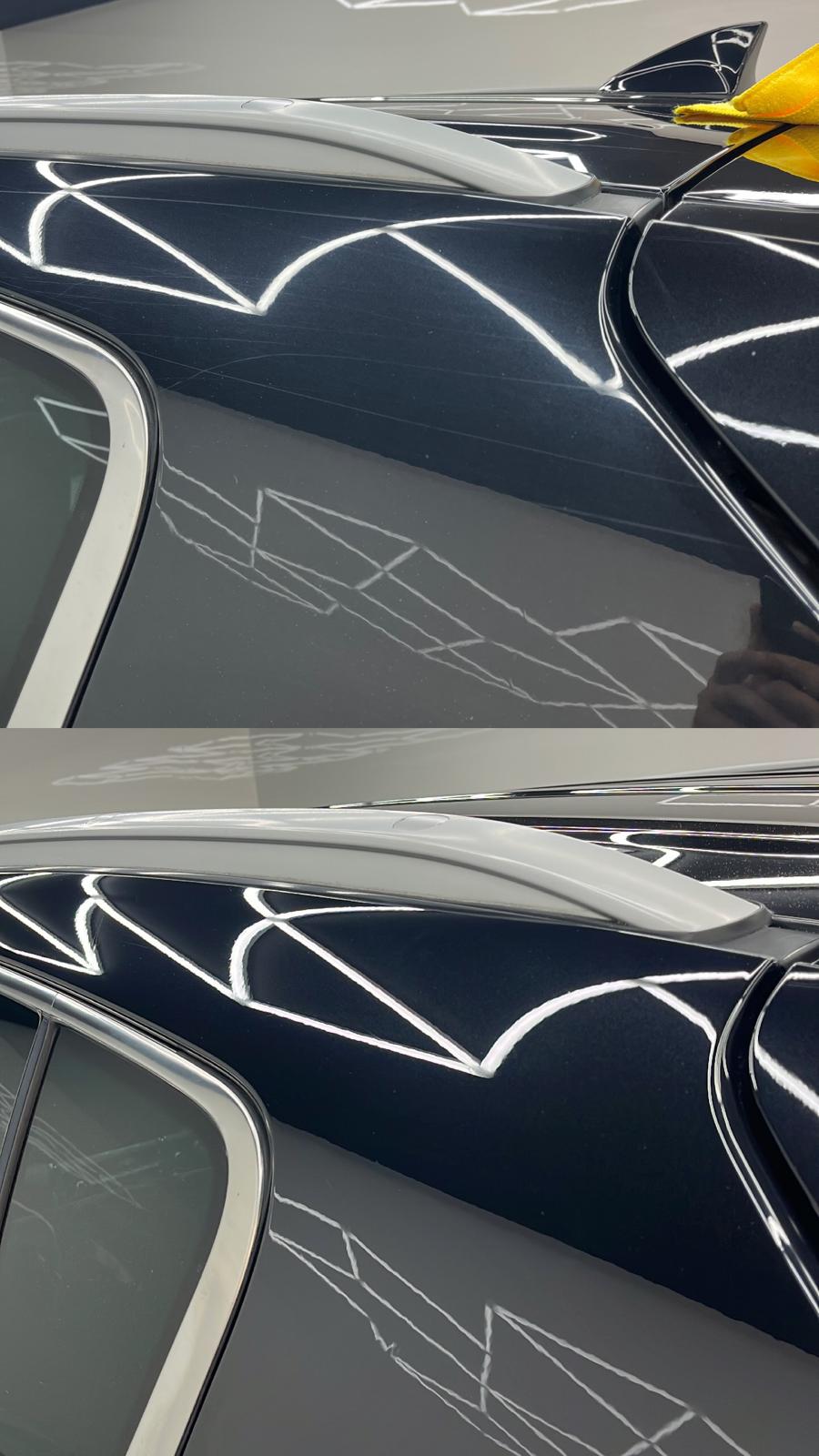
Single, two-stage and three-stage machine correction to remove swirl marks, wash marring and oxidation, restoring genuine gloss and depth to your paintwork.
5+ years detailing · Fully motor-trade insured · 20% deposit secures your slot
Overview
What this service is, and who it's for
Paint correction is the process of machine-polishing the clearcoat to remove the defects that hand-washing, automatic washes and general use have introduced, swirl marks, wash marring, oxidation, water spotting and lighter scratches. Done properly, it restores the finish the manufacturer originally intended, and gives any subsequent ceramic coating a defect-free surface to bond to.
We offer up to three-stage correction, matched to the paint's condition after inspection. Not every car needs three stages; not every car can be corrected in one. The inspection is what tells us, and you, which route makes sense.
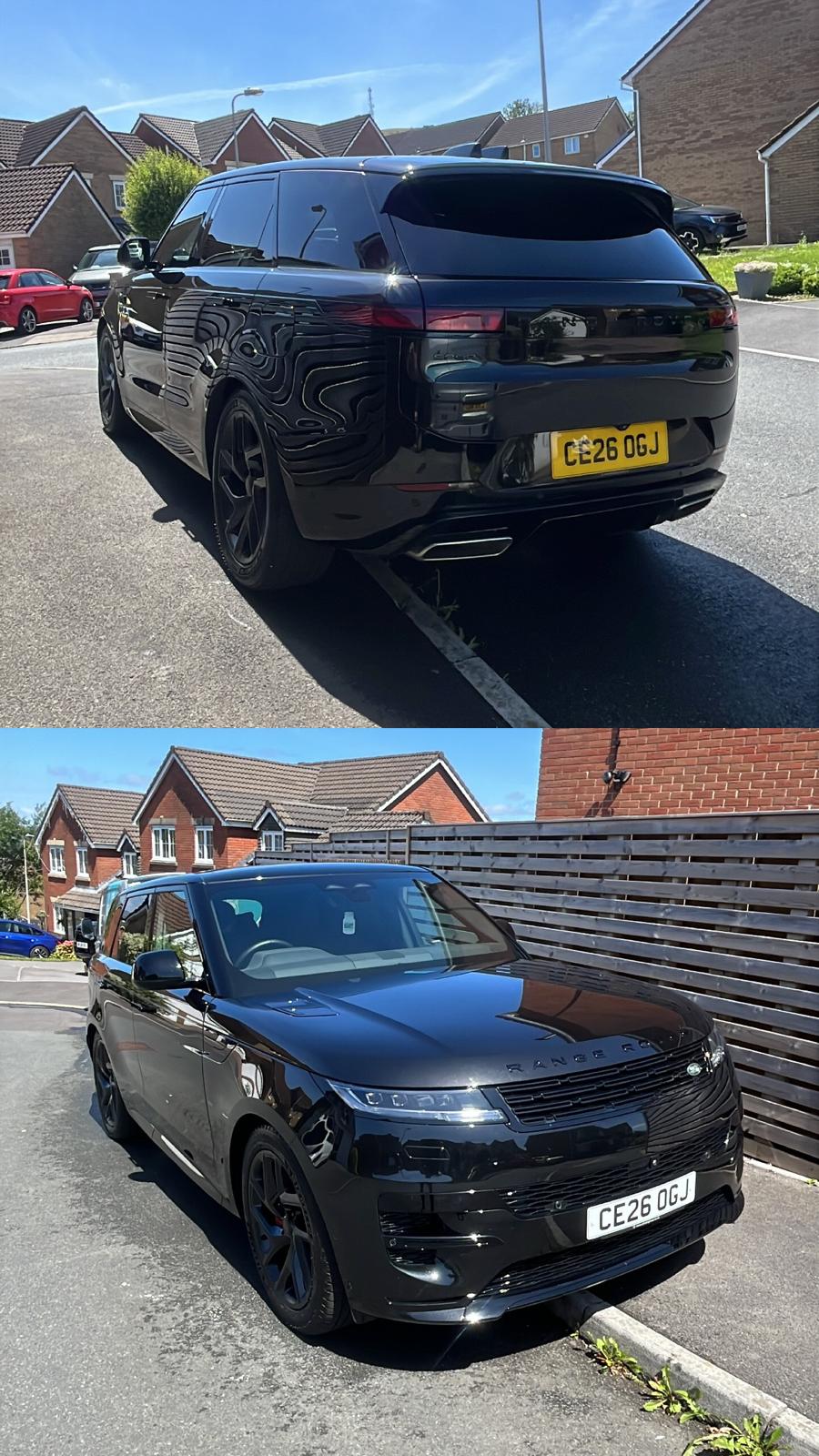
It suits owners of prestige vehicles being brought back to reference condition, dark-paint cars where swirl marks are most visible under sunlight, used-car purchases where the previous owner's wash habits have taken their toll, and anyone preparing a vehicle for a full ceramic coating.
What happens if you leave it
The real cost of skipping a proper detail
Swirl marks are cumulative
Every gritty wash and every drive-through brush cycle adds more. Left long enough, the only fix is machine correction, and heavier correction is more expensive than earlier lighter correction.
Clearcoat is finite
Correction removes microns of clearcoat. Done incorrectly or too aggressively, it damages the paint permanently. This is exactly the wrong job to trust to inexperienced operators.
'Polishing' at hand-washes isn't correction
A hand-wash 'polish' with an orbital and filler product hides defects for a wash cycle, then reveals them. Correction actually removes them at surface level.
Coatings over uncorrected paint lock defects in
A ceramic coating is transparent and semi-permanent. Coating a swirl-marked car protects the swirl marks for years.
Our Process
A clear, staged system, nothing skipped
- 01
Inspection Under Correct Lighting
Paint is inspected under proper lighting to identify defect type and depth. This determines the number of stages required, single, two or three-stage, and sets an honest expectation of the final outcome.
- 02
Decontamination Wash
A full decontamination wash is completed first, pre-wash, safe contact wash, iron and tar removal, clay decontamination, so the surface is clean before machinery touches it.
- 03
Paint Depth Considerations
Where relevant we discuss the paint's known characteristics before selecting pad and compound combinations. We do not aggressively strip clearcoat on a first visit.
- 04
Machine Correction, Staged
The correction stages are worked panel by panel, compound then polish for two-stage, and a final refinement stage on top for three-stage. Each stage is checked under lighting before moving on.
- 05
Protection Applied
Because correction leaves a completely bare, freshly cut surface, protection is applied immediately, either a sealant or, more commonly, a ceramic coating that locks the corrected finish in for years.
Benefits
What you actually get for the money
Removes swirl marks properly
Not hidden with filler product, physically levelled at surface.
Restores gloss and depth
Especially transformative on dark paintwork under direct light.
Prepares paint for coating
The correct baseline before any ceramic coating is applied.
Adds meaningful resale value
Corrected paint on a used prestige vehicle materially affects buyer perception and price.
Removes water spot etching
Light etching from mineral-heavy water is removed within the correction stages.
Honest, staged pricing
You pay for the stages your paint actually needs, no upselling to three-stage on a car that only needs enhancement.
The Detail
Materials, methods and how we actually work
Read this section if you want to know exactly what we use, how we use it, and why. It's the same briefing we give clients at the quote stage.
Single, two and three-stage correction, what each means
Single-stage is enhancement, a lighter cut that improves gloss, removes light marring and lifts the finish, without heavy defect removal. Suitable for cars in generally good condition where the goal is to sharpen the look and prepare for a coating.
Two-stage is meaningful defect removal, a compound pass to remove swirls and wash marring, then a polish pass to refine the finish. Suitable for the majority of daily-driven cars that have accumulated a season or two of neglect.
Three-stage is heavy correction plus final refinement, compound, polish, then a finishing pass. Reserved for heavily marred paint, dark and prestige finishes where the highest possible refinement is expected, and vehicles being prepared for long-life coating.
Why correction should almost always be followed by protection
Correction leaves the paint at its most vulnerable, freshly cut, defect-free, and completely bare. That's the ideal state for a ceramic coating to bond to. It's also the worst state to leave unprotected: swirl marks will return within a wash or two under aggressive wash routines. We recommend and quote a coating alongside every correction job for this reason.
Realistic expectations
Correction addresses defects that live in the clearcoat, swirl marks, wash marring, oxidation, lighter scratches, water spot etching. It does not remove stone chips, base-coat scratches that have cut through the clearcoat, or physical impact damage, those are paint and body-shop repairs. At the inspection stage we tell you which defects are correctable and which aren't, before you commit.
FAQs
Straight answers, before you book
How much does paint correction cost?+
Quoted per vehicle after inspection, the number of stages, size of the vehicle and current paint condition all affect price. Consultation is free.
How long does correction take?+
Typically one to three days depending on stages and whether a coating follows. We'll confirm at the quote stage.
Do you correct light scratches?+
If they're in the clearcoat, yes. If a fingernail catches on the scratch, it's likely through the clearcoat and requires paint repair, not correction.
Will correction damage my paint?+
Correction removes microns of clearcoat by design, done properly and staged appropriately, it's safe and standard practice. Aggressive over-correction is the risk, and we don't work that way.
Do I need a ceramic coating afterwards?+
It's strongly recommended. Correction leaves the paint bare; without protection the defects will start returning under normal wash routines.
Can you correct swirl marks on black paint?+
Yes, dark paintwork is where correction is most visibly transformative. We inspect and recommend the appropriate stage.
Do you offer this on prestige and performance cars?+
Yes, a significant part of our correction work is on prestige and performance vehicles across South Wales.
What's the warranty on the work?+
Workmanship guaranteed. Where a ceramic coating is applied on top, the coating carries our workmanship warranty of up to half its stated lifespan when maintained properly.
Related services
Get a paint correction quote
Free inspection, honest staging, no upsell. 20% deposit secures your studio slot.
5+ years detailing · Fully motor-trade insured · 20% deposit secures your slot